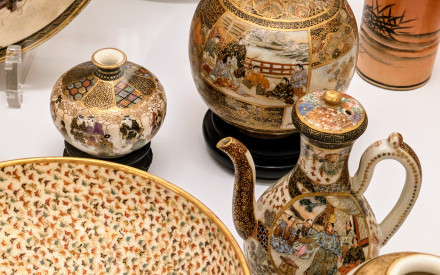
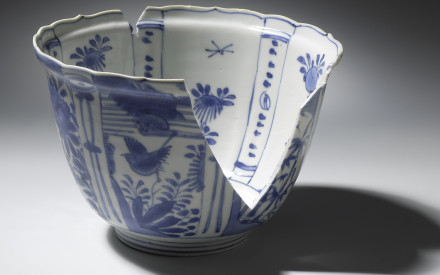
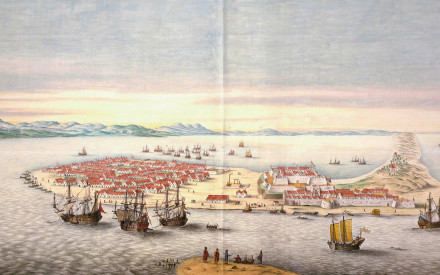
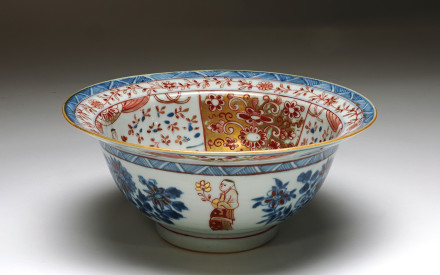
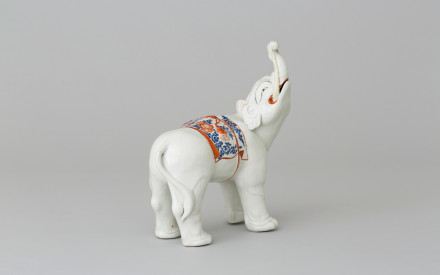
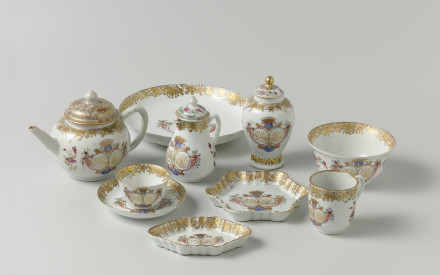
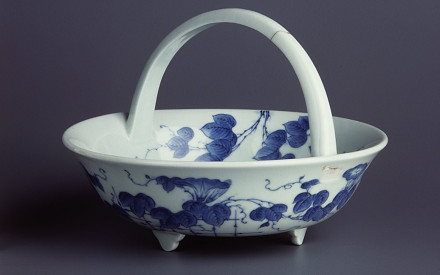
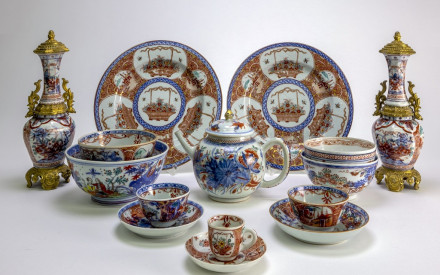
Dutch museums house a wide variety of Japanese ceramics produced in Arita on Kyushu Island, known as Imari and the more prestigious Kakiemon. This concerns predominantly large quantities of export porcelain, such as tableware and tea wares. The trade of this porcelain to Europe reached its peak from the late seventeenth to the eighteenth century. In the second half of the nineteenth century, however, a very different type of Japanese ceramic came to dominate the Western market: Satsuma. Remarkably, objects decorated in this style are almost entirely absent from the permanent displays of Dutch museums, and this ware has also received little attention in the scholarly literature.
The amount of Satsuma ware held in these museum collections is relatively modest, and there is generally limited knowledge on the provenance of these objects. Nevertheless, the Dutch collection in its entirety is of considerable art-historical value and offers a clear visual overview of the history of one of the most dynamic ceramic industries in nineteenth-century Japan.